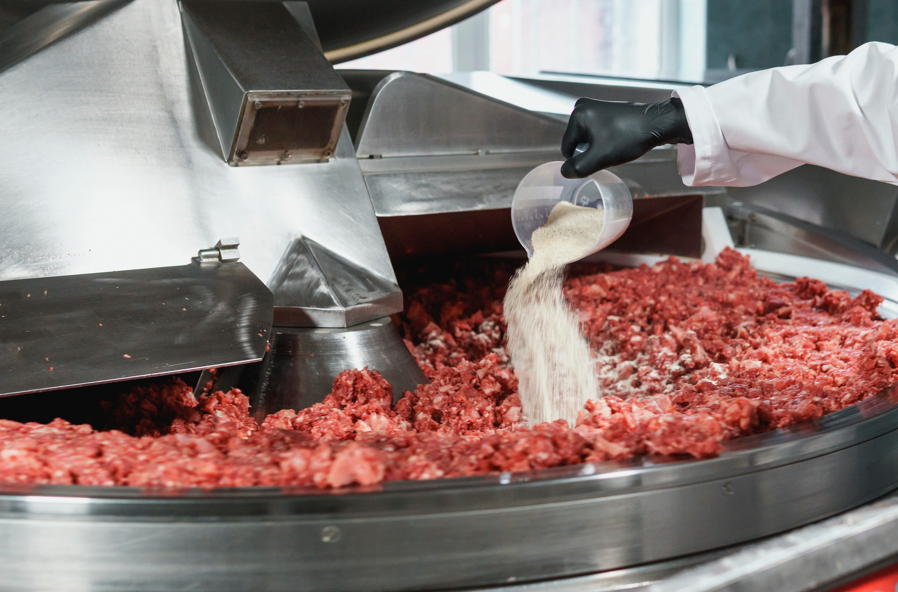
In today’s Beef Buzz, senior farm and ranch broadcaster Ron Hays continues his conversation with Ethan Lane of the National Cattlemen’s Beef Association about President Donald Trump’s ideas for beef processing, the need for more small and regional packing capacity, and concerns over government intervention in the cattle market. Part one can be found here.
More Processing Options, Not Fewer
With President Trump expected to provide more details on his beef processing plans, Lane says cattle producers need more processing options at different scales rather than dismantling the existing system. “We have serious challenges in making sure that our producers around the country have access to processing options at different scales in different regions of the country,” Lane said.
He emphasized that smaller and regional facilities could give producers more ways to market cattle directly to consumers and potentially capture premiums. “Small and regional packing capacity is a persistent challenge we have got to solve,” Lane said. “We have to have more options for producers to get those cattle processed and in front of consumers in a way that really works for them and delivers premiums.”
Lane said the goal should be expanding the system rather than replacing the facilities that are already serving producers. “You don’t dismantle the system that’s working for some producers in order to do that,” he said. “This is a game of addition, not subtraction.”
Questions Remain About Packers
Trump has also criticized the country’s major beef packers, but Lane says cattle producers are still waiting for answers from the Department of Justice following years of investigations. “We are six plus years into DOJ investigations of the Packers at this point,” Lane said.
NCBA has been among the organizations calling for those investigations, particularly following disruptions during the COVID-19 pandemic. Lane says producers deserve to know what investigators have found. “Our ask continues to be: let us know what you have found,” Lane said.
He added that cattle producers across the supply chain have been waiting for results from years of investigations and inquiries. “We need answers at a certain point about what’s been found,” Lane said. “We still are waiting to see what they have found.”
NCBA Watching New Risk Management Proposals
Lane also discussed recent proposals from Agriculture Secretary Brooke Rollins aimed at rebuilding the U.S. beef herd, including potential changes to Livestock Risk Protection, or LRP.
NCBA has a task force working on LRP and is looking at ways to expand coverage opportunities for cattle producers. “Risk management is something we need to get better at,” Lane said. “It’s something we’ve worked years on trying to figure out how to build out more options for producers.”
However, Lane said NCBA is cautious about proposals that could cross the line into market-altering government payments. “We have very clear policy on the books at NCBA that we don’t want market-altering policy,” he said.
Concerns Over Heifer Retention Subsidies
Lane also expressed concern about proposals that could provide financial assistance for producers retaining heifers for herd rebuilding.
NCBA remains concerned about government payments influencing producers’ decisions rather than allowing market signals to drive those decisions. “We continue to be concerned about anything that looks like paying producers to hold back heifers or do anything in that bucket for reasons that are not economically driven by the market signals they are receiving and what’s best for their operation,” Lane said.
Lane said producers need confidence that retaining heifers will pay off over the long term. “Stability and certainty in the marketplace and the view that producers feel like that investment of holding back heifers is going to pay dividends for them two or three years down the road continues to be the biggest hurdle out there,” he said.
Lane: Producers Want to Be Left Out of the Headlines
Lane said recent comments and actions from the administration are creating uncertainty for cattle producers, particularly as the industry enters the fall run. “Other than the influencers that are trying to curry favor, I have not talked to any cattle producers that are pleased with the government opining as much as they have on the cattle industry,” Lane said.
“I think most cattle producers would prefer to just be left out of the headlines right now,” he added.
Lane’s Advice Ahead of the November Elections
As cattle producers prepare for the November elections, Lane encouraged them to use their voices when candidates come looking for their support. “Your members of Congress and the candidates running against them are going to desperately seek your attention,” Lane said.
He encouraged producers not to let campaign visits become simply photo opportunities. “Do not let that opportunity pass by without sharing your opinion about what this marketplace needs and what it does not from the federal government,” Lane said.
Lane said producers should make sure their representatives hear directly from them. “Don’t assume your neighbor’s doing it. They need to hear from you,” he said. “Don’t pass up an opportunity while they’re on the road running for re-election to share your thoughts with them.” “That is the most effective tool we have,” Lane said. “Real grassroots producers around the country — take advantage of it.”
The Beef Buzz is a regular feature heard on radio stations around the region on the Radio Oklahoma Ag Network and is a regular audio feature found on this website as well. Click on the LISTEN BAR above for today’s show and check out our archives for older Beef Buzz shows covering the gamut of the beef cattle industry today.