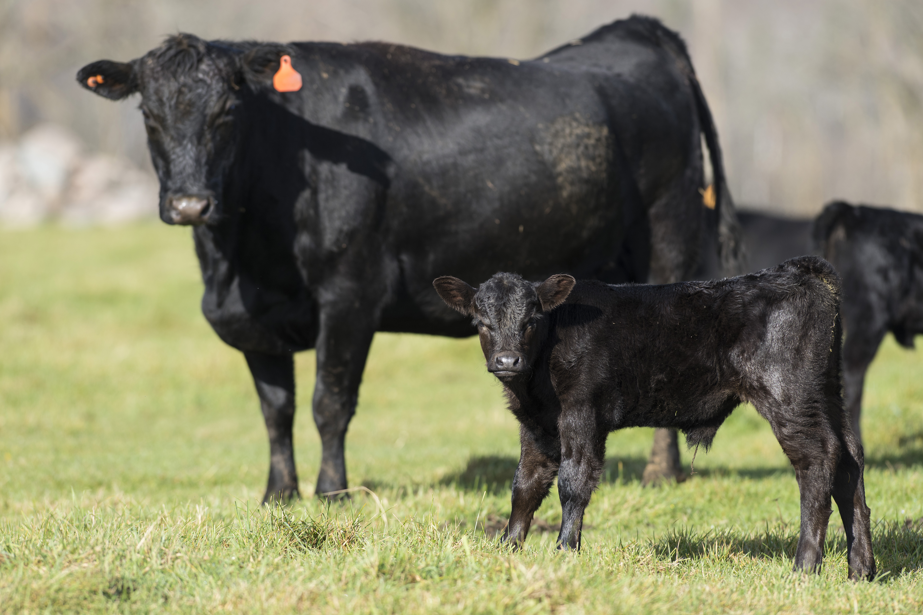
In today’s Beef Buzz, senior farm and ranch broadcaster Ron Hays speaks with beef industry consultant Dr. Nevil Speer about the challenges facing cattle producers as they consider rebuilding the nation’s beef cow herd. From drought and interest rates to elevated replacement heifer costs and an uncertain business environment, Speer explains why producers may be hesitant to expand, even as cattle prices remain strong. Part one can be found here.
Drought and Financial Risk Slow Herd Expansion
Speer said rebuilding the cow herd will take more than favorable cattle prices. Producers also need confidence in their pastures, finances and the broader economic outlook before committing to long-term investments. “By the way, I would say how about we make it rain and let’s make it rain for a couple of years so we have some confidence in the moisture that we’re getting, right?” Speer said.
After years of challenging moisture conditions, one good year may not be enough to convince producers that drought concerns are behind them. Speer also pointed to interest rate risk, volatile feed costs and uncertainty throughout the cattle business as factors weighing on expansion decisions. “Given what a heifer calf is worth, and if we’re going to invest in making her a bred heifer, boy, I need a little bit more certainty around the business than I have right now,” Speer said.
However, he noted that beef cow slaughter has declined relative to previous levels, suggesting producers are showing some willingness to hold onto their cows rather than liquidate their herds.
Producers Face Different Risk at Different Ages
The decision to rebuild also depends on a producer’s age, financial position and willingness to take on additional work and risk. Speer said some cattle producers have enjoyed several profitable years and may be reluctant to give up that cash flow for the uncertainty of expanding their operations. “Risk is different for every operation, and there’s any number of factors that contribute to that,” Speer said. “But you know, you evaluate risk very differently when you’re 60 than you do when you’re 30, because you just don’t have a lot of time to recover.”
With replacement cattle carrying elevated prices, producers must weigh the potential returns of rebuilding against the possibility that conditions could change before those investments pay off.
Speer Encourages Producers to Focus on Beef Demand
Despite the uncertainty surrounding the industry, Speer encouraged producers to keep the long-term outlook for beef demand in mind.
He recalled a conversation with Hays the previous October, when Hays asked what Speer would tell the president if he had the opportunity to speak directly with him. Speer said the discussion centered on beef demand and the work that helped bring the industry to its current position. “I tell them stay the course, stay the course. This is what matters. This is why it matters, and all of these things eventually are going to kind of settle out,” Speer said.
He reminded producers that cattle ownership requires a long-term commitment, making it important to look beyond short-term market and policy concerns.
“Because ultimately, if we’re going to own cows, it’s a 20, 30, 40-year investment, right?” Speer said. “And what’s the long-term sort of things saying? We’ve turned this business around in terms of beef demand, and that doesn’t just erode and go away tomorrow.”
Speer encouraged producers to protect the profits they are earning while looking for ways to improve their businesses over time. “Let’s press on. Let’s not get complacent here. Let’s be really careful with the profits we’re making, and let’s figure out a way we can make it even better going forward,” he said.
Social Media Can Add to Industry Frustration
Speer also cautioned producers against allowing social media discussions to distract them from the fundamentals of their businesses. He said conversations about packers, country-of-origin labeling, beef imports, the Beef Checkoff and price discovery often become intertwined, creating confusion and emotional reactions. “Social media is essentially the coffee shop, and nobody ever feels better or really learns anything after leaving the coffee shop or social media,” Speer said.
While those issues continue to generate discussion across the beef industry, Speer said producers should be careful about getting caught up in online arguments and losing sight of the factors that have helped strengthen beef demand. “I just tell them, just stay off of social media. None of that matters. Let’s just keep doing what we’re doing, and how let’s remind ourselves why we got here and press on,” Speer said.
The Beef Buzz is a regular feature heard on radio stations around the region on the Radio Oklahoma Ag Network and is a regular audio feature found on this website as well. Click on the LISTEN BAR above for today’s show and check out our archives for older Beef Buzz shows covering the gamut of the beef cattle industry today.